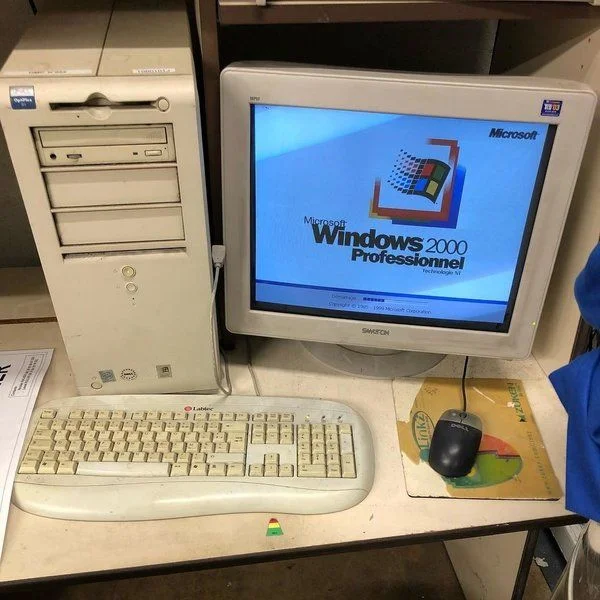

If your dealership’s cybersecurity plan still revolves around scanning for patches and calling it a day, you’ve got a problem. A big one. Your dealership’s cyber defense is stuck in 2000, and that just doesn’t cut it anymore. The truth is, the way we defend our businesses from cyberattacks has completely changed — but many dealerships are still operating like it’s the early 2000s.
Here’s the deal: The traditional “find a vulnerability, patch it, move on” mindset worked just fine back when all your IT assets were tucked safely behind a firewall, and everyone worked on machines you could physically point to. But today? Between cloud platforms, remote workers, SaaS apps, mobile devices, smart TVs in the showroom, and the ever-present risk of identity theft — the game has changed. Completely.
That’s where Cybersecurity Exposure Management comes in.
What the Heck Is Exposure Management?
Let’s keep it simple: Exposure Management is like finally switching from playing defense with a blindfold on to seeing the whole field, in real time.
Instead of waiting to be told what’s broken (like traditional vulnerability management), Exposure Management proactively hunts down weak spots — including stuff like misconfigured cloud systems, over-permissioned users, forgotten servers, unauthorized software, shadow IT… all the stuff that creates holes in your defense without you even knowing it.
Think of it as managing everything that could be exploited by a cybercriminal, not just the obvious stuff.
Why Should Dealership Management Care?
Let’s be real: Most dealership IT and security “teams” are either one person with a million other responsibilities — or a couple of folks doing their best without any formal training in cybersecurity. That’s not a dig — it’s just the reality at most rooftops.
But this reality creates a dangerous blind spot: today’s cyberattacks don’t knock on the front door anymore. They sneak through the cracks. And the cracks are everywhere.
Exposure Management shines a light on all of them.
The Modern Attack Surface Is a Beast
Remember when everything lived on-site? Now, your dealership’s tech ecosystem might include:
Public and private cloud infrastructure
SaaS tools used by sales, service, and finance departments
- Personal devices used for work
Remote logins from third-party vendors
Legacy systems that haven’t been touched since your last DMS migration
Each of those represents a potential entry point for attackers. And if you can’t see them, you can’t secure them.
Exposure Management is how you start seeing clearly.
So… Where Do You Start?
That’s the million-dollar question — literally. Because a successful cyberattack on a dealership doesn’t just knock out systems for a few hours. It can bring sales to a screeching halt, jeopardize customer trust, and even lead to compliance violations with serious financial consequences.
The first step is acknowledging that your current cybersecurity posture might not be enough anymore. The second is finding a partner who understands the dealership environment and the new cybersecurity landscape. Let us know if we can help.